


The Bukit Peninsula is more than just a destination; it is a sensory experience. In Uluwatu, the limestone cliffs drop dramatically into the Indian Ocean, creating a landscape where the elements are in constant, powerful motion. For the dedicated practitioner, this isn’t just a scenic backdrop—it is a profound energetic environment.
To practice yoga in Uluwatu is to engage directly with Vata dosha, the Ayurvedic element of air and ether. Understanding how to harmonize your body with this specific coastal energy can transform a standard workout into a deeply grounding spiritual alignment.
Understanding the “Vata” of the Uluwatu Coastline
In Ayurveda, the sister science of Yoga, the universe is composed of five elements, categorized into three doshas: Vata, Pitta, and Kapha.
Vata is characterized by:
Movement: The constant ebb and flow of the tide.
Coolness: The refreshing sea breeze that sweeps up the cliffs.
Lightness: The vast, open horizon and the expansive “Akasha” (ether/space) of the clifftop.
While Vata energy is responsible for creativity and spiritual connection, an excess of it—often triggered by high altitudes, wind, and the sound of crashing waves—can lead to feeling “unplugged” or anxious. When we practice private class Bali sessions on the cliffs, our primary focus is grounding (Dharana) to ensure we harness the inspiration of the ocean without being swept away by its restlessness
The Science of Prana: How Ocean Air Enhances Your Practice
Practicing yoga within reach of the ocean’s salt spray offers more than just aesthetic pleasure. The air near breaking waves is rich in negative ions. Research suggests that these molecules increase our capacity to absorb oxygen and balance serotonin levels. In the context of Yoga, this enhances Pranayama (breath control). When you inhale the “Vata-rich” air of Uluwatu, you are literally fueling your nervous system with high-vibration energy. However, the key is to move the breath downward (Apana Vayu) to maintain stability on the rugged limestone terrain.
Sequence Strategy: Grounding into the Limestone
To balance the airy qualities of a cliffside setting, your asana practice should prioritize Sthira (stability) over excessive movement. Here is how we structure a practice to align with the ocean’s energy:
1. Establishing the Root (Muladhara)
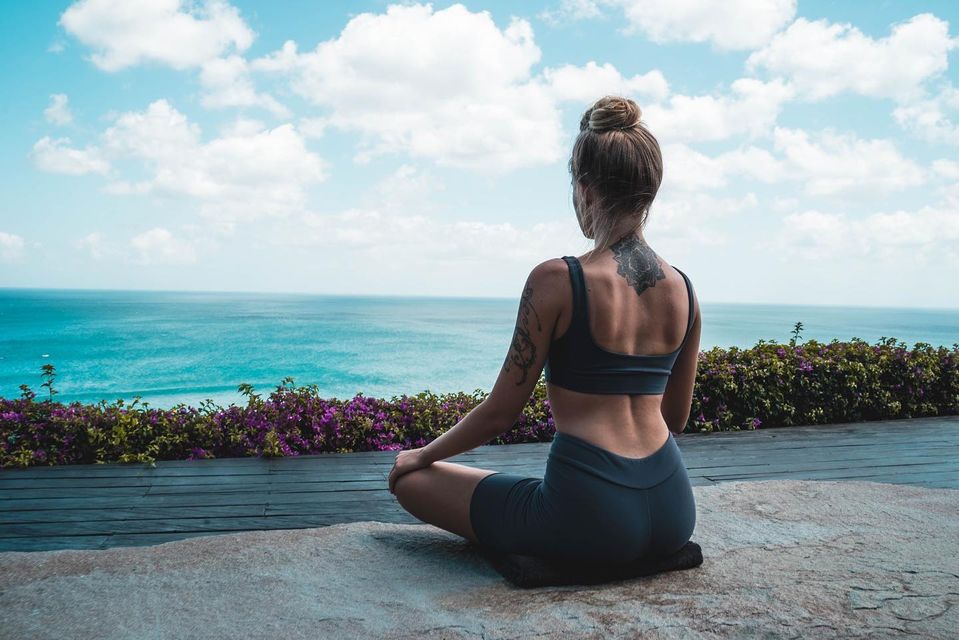
Start with a seated meditation directly on your mat, feeling the solid limestone beneath you. Focus on the weight of your pelvis. In a private class Bali setting, we often begin with Sama Vritti (Equal Breath) to calm the Vata-induced fluctuations of the mind.
2. Slowing the Flow
Vata is quick and erratic. To counter this, transition between poses with intentional slowness.
- Vrksasana (Tree Pose): Find a focal point (Drishti) on the horizon, but keep your standing leg as firm as the cliffs themselves.
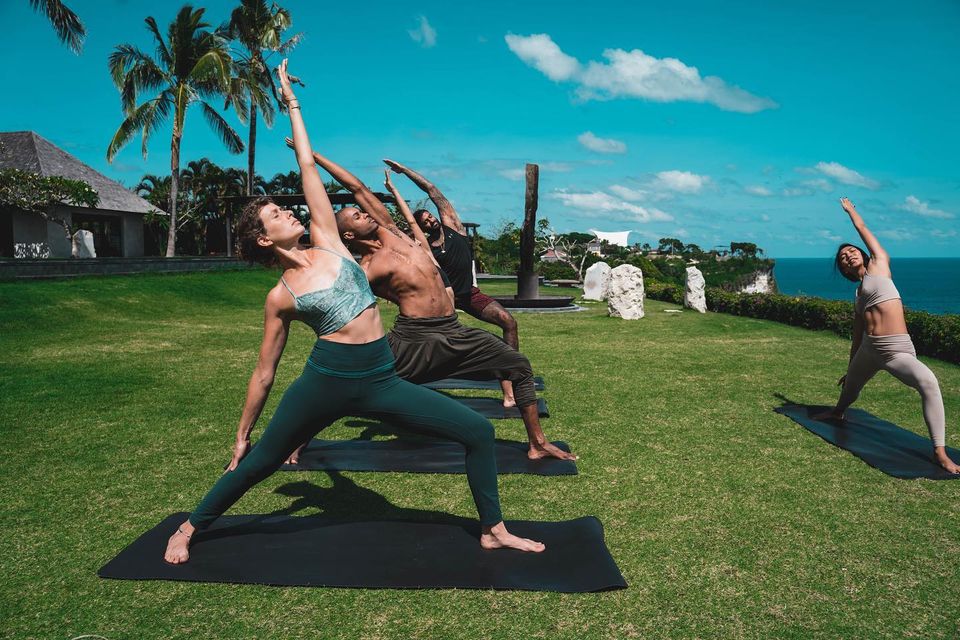
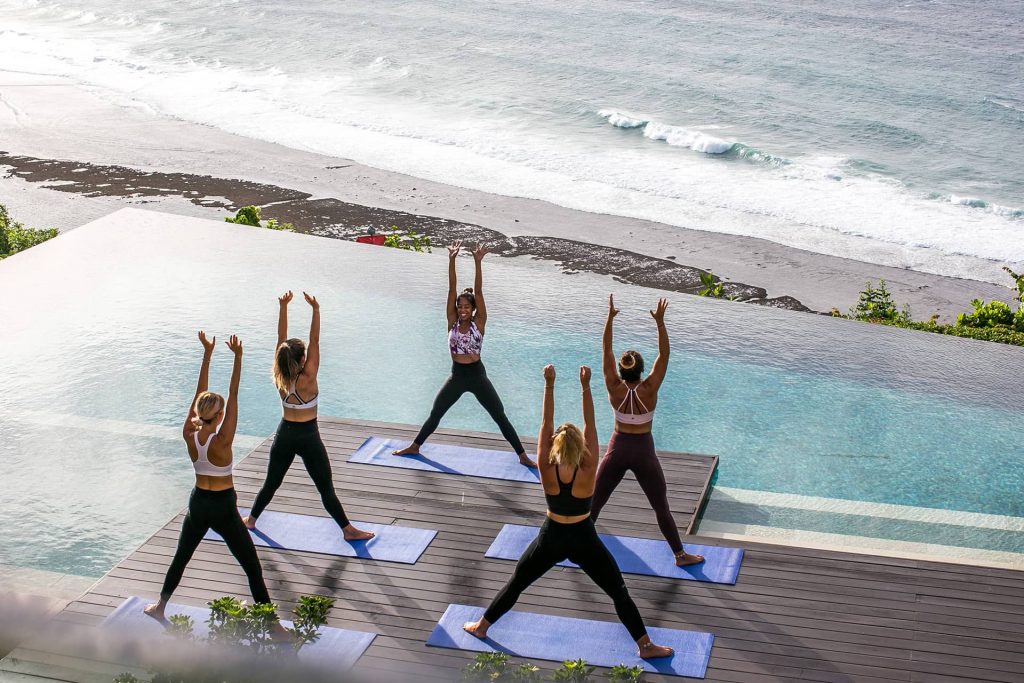
- Virabhadrasana II (Warrior II): Open your chest to the ocean breeze, but press firmly through the outer edges of your feet to anchor your energy.
3. Cultivating Warmth
Because Vata is naturally cool, incorporating gentle twists and core engagement helps build internal Agni (fire). This ensures that the body remains supple even when the coastal winds pick up.
The Subtle Art of Coastal Savasana
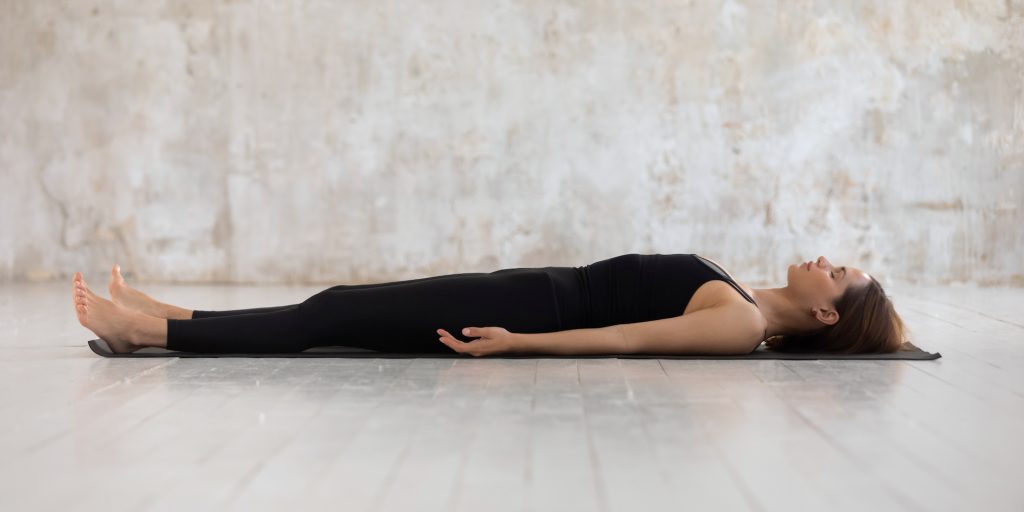
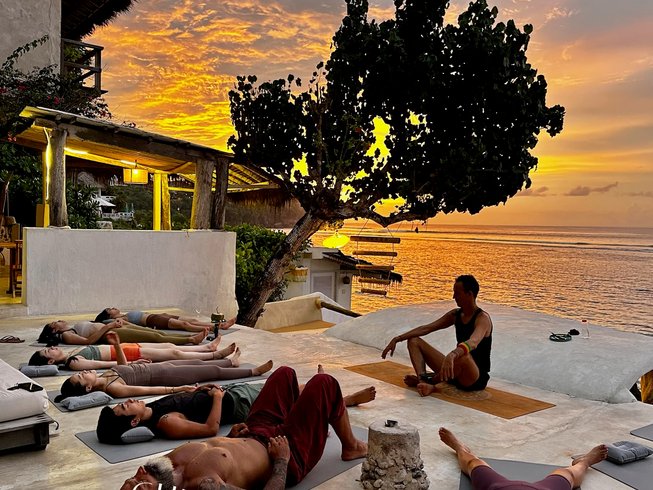
The final rest, or Savasana, is where the magic happens in Uluwatu. The sound of the waves acts as a natural mantra, pulling the practitioner into a state of deep Pratyahara (withdrawal of the senses).
To prevent the Vata energy from making the mind wander during rest, we recommend using a light shawl or eye pillow. This physical weight provides the “earth” element needed to fully integrate the expansive energy you’ve cultivated during your cliffside practice
Enhancing Your Journey with Private Guidance
While group classes offer community, the unique energetic demands of the Uluwatu landscape often call for a more personalized approach. At Private Class Bali, we specialize in tailoring sequences to the specific environment and the individual’s Prakriti (natural constitution). Whether you are looking to deepen your meditation overlooking the Indian Ocean or master a challenging balance amidst the sea breeze, a one-on-one session ensures your safety and energetic alignment.
Summary Table: Balancing the Elements
| Element | Coastal Manifestation | Yoga Correction |
| Air (Vata) | High Winds / Cool Breeze | Slow, rhythmic breathing (Ujjayi) |
| Space (Ether) | Wide Horizons | Focused Drishti (Gaze) |
| Earth | Limestone Cliffs | Standing Balances / Rooting down |
| Water | The Indian Ocean | Fluid transitions between asanas |
Why Experience Private Yoga in Bali?
Bali is known as the “Island of the Gods,” and its energy is palpable. By choosing a private session, you move beyond the “one-size-fits-all” approach of a busy studio. You allow the instructor to read your energy, the weather, and the specific “Vata” of the day to create a practice that leaves you feeling grounded, centered, and profoundly connected to the natural world.
Ready to align your practice with the magic of the Bukit Peninsula?
Contact today Private Class Bali at +62 878-1553-9543
FAQ: Navigating Yoga and Wellness in Bali
The “Golden Hours” of sunrise and sunset are ideal. Sunrise offers a more “Sattvic” (pure/peaceful) energy, while sunset helps in releasing the day’s “Rajasic” (active) energy.
High Vata can make you feel light and flexible, but it can also lead to a lack of focus or “airy” joints. Focusing on standing poses and grounding breathwork is the best way to stay balanced.
Absolutely. However, because the wind and height can affect your balance, it is often beneficial to have a private instructor to provide adjustments and ensure your alignment is secure.
Because Uluwatu can be windy, we recommend form-fitting gear that won’t flap in the breeze, which can be distracting. Natural fibers like bamboo or organic cotton help the skin “breathe” with the environment.
Yes. The rhythm of the waves is a form of “White Noise” that helps the brain enter Alpha and Theta wave states, which are associated with deep relaxation and creativity.